ST. PAUL, Minn – State Senator Greg Clausen (DFL-Apple Valley), the minority lead on the Higher Education Committee, was one of five Senators chosen to negotiate the final Omnibus Higher Education Bill in conference committee.
“I am pleased to be named to help negotiate this important bill,” Sen. Clausen said. “Whether you vote Republican or Democrat, we all want our students to succeed and to continue developing Minnesota’s number one asset, our educated workforce. While the Senate and House bills are far apart on their financial targets and policy, I remain hopeful that we can work together to find efficient and effective methods to invest in our higher education institutions.”
Both bills increase financial support for working families by investing in the state grant program. The House bill invests an additional $35.4 million while the Senate $23.4 million. “The state grant program helps low-income and working class Minnesota students and families to have the opportunity to obtain a postsecondary education,” Sen. Clausen said. “This important investment would allow more students to access the program and increase the financial award amounts. I believe we will find a compromise position to fund this important program.”
The House bill provides stable support for the University of Minnesota, while the Senate bill falls far short, adding to the cost of obtaining a degree. The University of Minnesota is one of Minnesota’s greatest assets. Along with being an economic engine for our state, the university’s core mission includes teaching and learning, public service, and research. “We must be able to increase the investment for the University of Minnesota to make sure it remains a world class institution today and in the future,” Sen. Clausen said.
The Senate also underfunds Minnesota State Colleges and Universities with funding levels at an additional $46.9 million for FY 2020/2021, while the House funding levels are much higher at $159.2 million for FY2021. The Minnesota State Colleges and Universities system reaches across the state with 30 state community and technical colleges and 7 universities. The system educates over 175,000 students, providing the majority of Minnesota workers.
Both bills freeze tuition for two years at the state’s public colleges and universities. As a result, more than 200,000 individuals currently enrolled at the University of Minnesota and Minnesota State systems will not see a tuition increase. The House proposal provides funding to pay for the freeze, while the Senate version does not.
“There are significant differences in the two bills. We must negotiate a higher education budget to benefit the state. An investment in education is an investment in our future,” Sen. Clausen said.
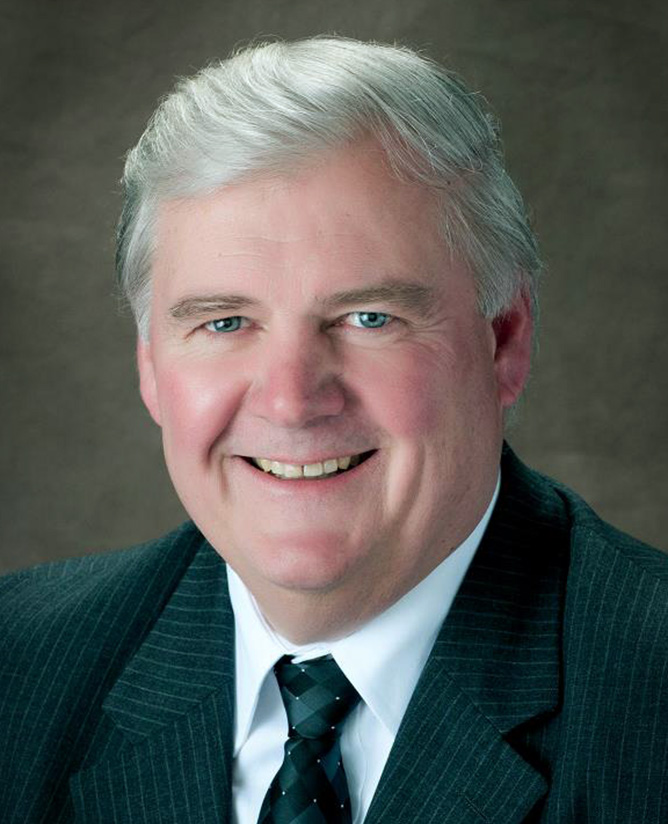
Learn more about Sen. Clausen.
Read more news from Sen. Clausen.


